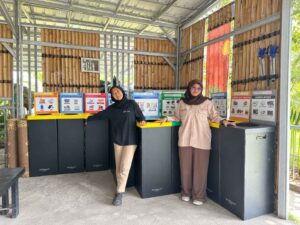
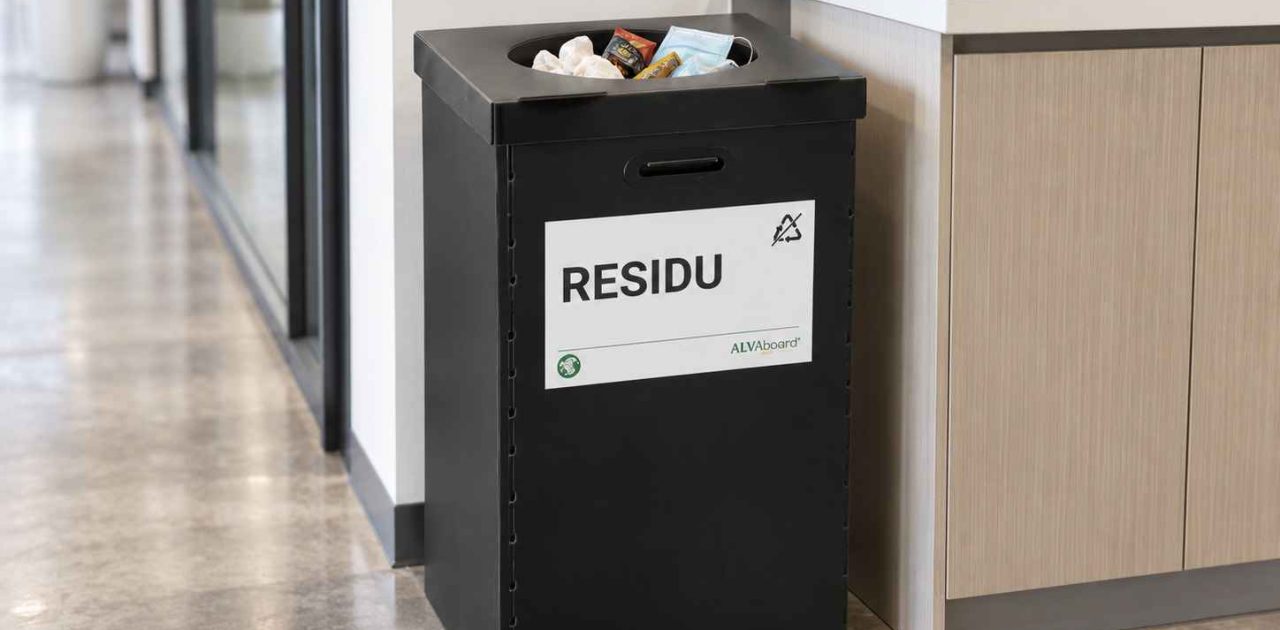
Residual waste refers to leftover materials that cannot or are difficult to recycle through available processing channels, so they generally have no economic value as recyclable materials. Sorting waste at the source helps prevent residual waste from contaminating materials that can still be utilized, while the ALVAboard Eco bin made from Polypropylene (PP) Corrugated Sheet can be used as a water-resistant, sturdy, lightweight, and easy-to-clean waste sorting container.
Understanding What Residual Waste Is and Its Characteristics
Residual waste is the portion of generated waste that remains after materials that can be reused, recycled, or managed through other channels have been separated. In everyday settings, this type of waste is commonly found in homes, offices, schools, public facilities, and production areas.
The characteristics of residual waste are not always determined solely by the type of material. The condition of the material also plays a role. Packaging that is originally made from paper or plastic can become residual waste when it has been contaminated with food, oil, or liquid, making it no longer easy to process through available recycling systems.
Some common examples of household residual waste include:
- Composite or layered materials, such as aluminum foil sachets, instant noodle packaging, and multilayer packaging consisting of several material layers.
- Contaminated materials, such as dirty tissues, styrofoam contaminated with food residue, as well as packaging or containers that still contain oil.
- Sanitary and single-use waste, such as used diapers, sanitary pads, masks, and cigarette butts.
Because its characteristics differ from waste that has established recycling channels, residual waste needs to be placed in a separate category so that it does not become mixed again with materials that still have useful value.
Why Should Residual Waste Be Separated from the Start?
Sorting waste at the source is important because mixed residual waste can reduce the quality of other materials that can still be recycled. Plastic bottles, paper, metal, and other materials are easier to manage when they are not mixed with food residue, oil, or sanitary waste.
Another issue arises when residual waste contains liquid or organic material residue. If the collection container is not suitable, dirty liquid can seep onto the floor and cause odors, make the area more difficult to clean, and increase the risk of an unhygienic work environment.
Therefore, sorting should be carried out from the point where waste is generated. This principle is in line with the national waste management framework, which places waste reduction and handling as important parts of the waste management system.
For waste containing B3 or Hazardous and Toxic Waste (Limbah B3), its management must follow the applicable specific regulations. Permen LHK Number 9 of 2024, for example, regulates the sorting of this type of waste at the source to reduce potential risks to the environment and health.
Residual Waste Sorting Solution with the ALVAboard Eco Bin
The ALVAboard Eco bin is a waste sorting container made from Polypropylene (PP) Corrugated Sheet, designed for more practical, organized, and easy-to-move waste collection. PP Corrugated material is lightweight, strong, water-resistant, and easy to clean.
As a pioneer in developing various PP Corrugated-based solutions, ALVAboard provides Eco bins to help workplaces and households establish a more structured waste sorting system.
Water-Resistant, Leak-Resistant, and Easy to Clean Material
The Polypropylene material used in the ALVAboard Eco bin is water-resistant and does not easily absorb residual waste liquids. This characteristic is helpful when the container is used to collect waste that still contains moisture or residual liquid.
Its surface is also more practical to clean, making it easier to maintain the cleanliness of the container during use. For residual waste sorting needs, these characteristics are important because this category may contain dirty tissues, oily packaging, or other single-use materials.
The ALVAboard Eco bin is also designed to be lightweight and tear-resistant. With a flat-pack or knockdown structure, storage before assembly can be more space-efficient.
Compact, Lightweight, and Durable Design
The knockdown design makes the Eco bin easier to store, assemble, move, and adapt to the needs of an area. For the residual waste category, gray or black can be used together with a “RESIDU” label so users can quickly identify the waste category.
PP Corrugated material also has recyclable characteristics. This allows the Eco bin design to be associated with a more responsible approach to material use.
For companies or households that want to explore product options and availability, the official ALVAboard Shopee store can be used as one practical reference before determining their needs.
ALVAboard Eco Bin Specification Parameters for Residual Waste
The ALVAboard Eco bin for the residual waste category prioritizes a combination of water-resistant material, lightweight structure, ease of assembly, and clear category identification. The container can use a dedicated “RESIDU” label with color options adjusted to the sorting system implemented at the location.
In general, the characteristics to consider include water resistance, the use of PP Corrugated Sheet, a knockdown system, tear resistance, and ease of cleaning.
ALVAboard also has an integrated in-house production facility in Tangerang, with management systems and standards that are part of its product development. For procurement in certain quantities, the actual specifications, color options, and custom shapes should be consulted beforehand to ensure they match the needs of the location.
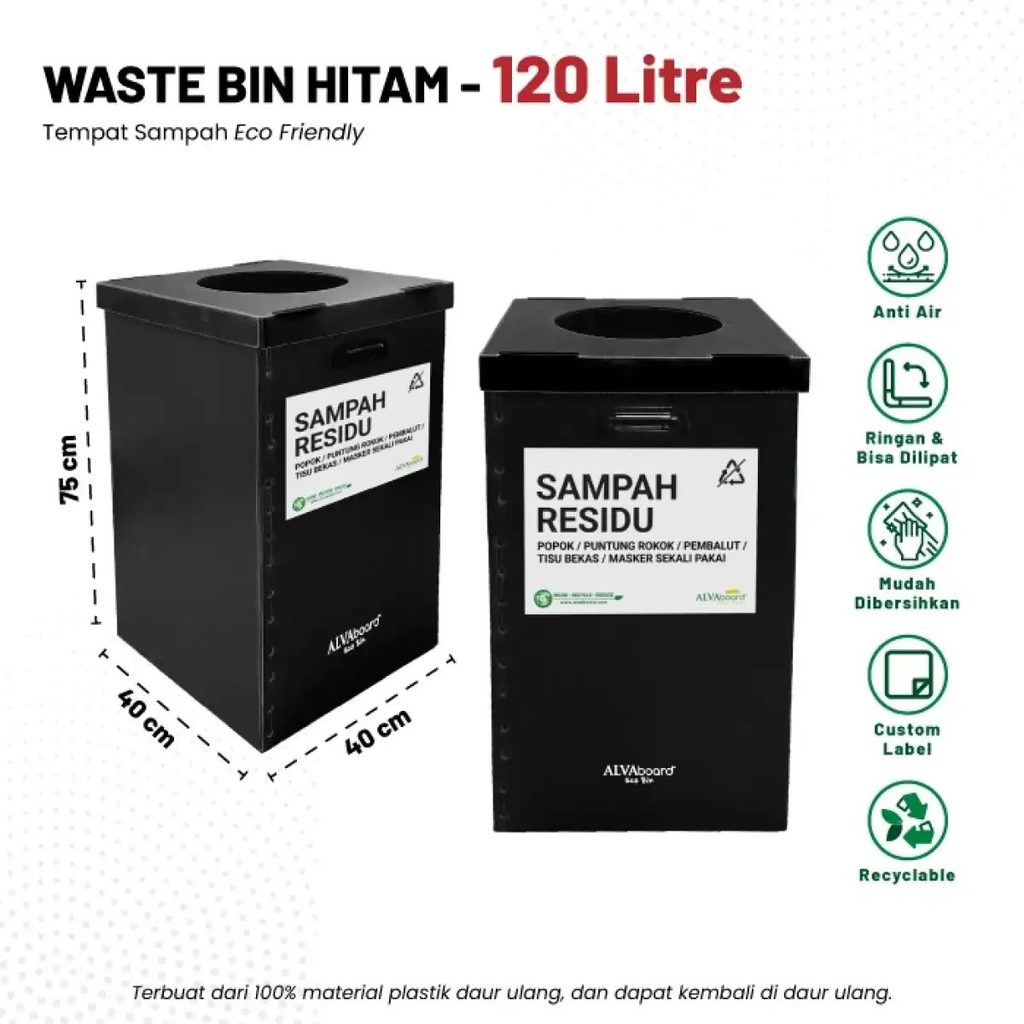
Product information and other PP Corrugated solution options can be viewed through the reliable ALVAboard Eco bin catalog on the official website or ALVAboard marketplace channels.
Eco Bin Applications for Offices, Facilities, and Households
The Eco bin can be applied at various waste generation points that require consistent residual waste sorting. In offices, for example, the container can be placed in pantry areas, workspaces, corridors, or waste collection points before the waste is taken to the next management area.
In schools and public facilities, the “RESIDU” label helps provide simple visual guidance for users. Meanwhile, in factories or operational facilities, the use of several waste container categories can be part of internal cleaning and waste sorting procedures.
For households, the Eco bin can be placed in the kitchen or service area as a dedicated container for waste that does not belong to the organic category or materials collected for recycling.
During the procurement process, choosing products from a reliable manufacturer can also make it easier to consult about the required size, color, quantity, and shape. ALVAboard develops PP Corrugated products for various applications, including waste sorting containers.
Keep the Environment Clean with ALVAboard
Effective waste sorting starts with a simple habit: identifying the type of waste, placing it in the appropriate container, and ensuring that the categories do not become mixed again. The Eco bin is only one part of this system; transportation, collection, processing, and final handling still need to follow appropriate procedures.
With experience in PP Corrugated manufacturing and a production facility in Tangerang, ALVAboard continues to develop solutions aimed at producing high-quality products according to usage requirements. In its brand communication, ALVAboard also positions itself as one of the largest PP Board manufacturers in Indonesia and provides solutions intended for users looking for the best options in Indonesia.
Most importantly, the quality of the waste container should support waste sorting habits, rather than simply serve as an additional facility. When the residual waste category has a clearly identified, water-resistant, easy-to-clean, and practical container, the sorting process at the source becomes easier to implement consistently.
Start Sorting Residual Waste Hygienically
ALVAboard Water-Resistant & Leak-Resistant Eco bin to help create a cleaner, more practical, and easy-to-maintain waste sorting system.
Suitable for the operational needs of companies, offices, schools, public facilities, factories, as well as households that require a residual waste sorting container.
Let’s start the habit of sorting plastic waste with a more organized system! Contact the ALVAboard team via WhatsApp +6287793102838 for consultation and the best offer now.