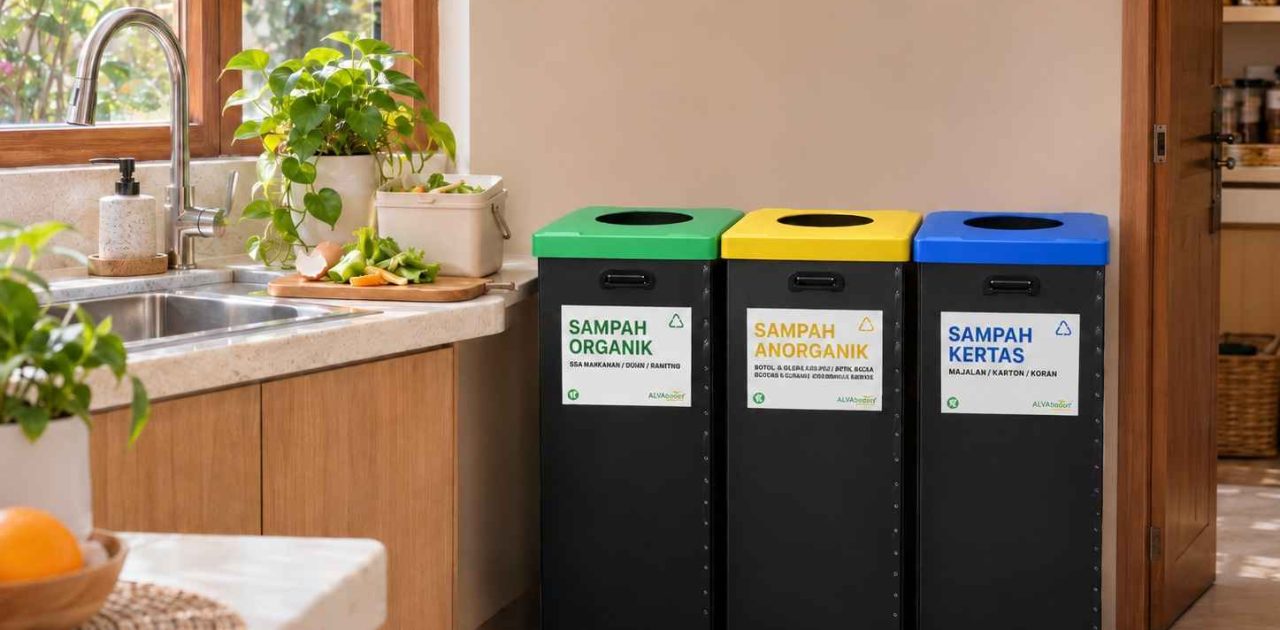
In the morning, you walk into the kitchen to make breakfast. But before you start cooking, an unpleasant smell from the trash bin reaches you first. When you check, fruit peels, soupy leftovers, plastic bottles, and shopping packaging are all piled up in one container. It may seem minor, but it can make the kitchen feel less comfortable.
Sorting waste at home can start by separating organic and inorganic waste from the beginning, emptying leftover liquid from packaging, and providing a different container for each category. This habit helps keep the kitchen more organized and makes it easier to collect waste for further processing. Using sorting bins such as the ALVAboard Eco Bin can also support daily sorting.
Why Should Kitchen Waste Be Sorted from the Start?
The kitchen is one of the areas at home that produces many types of waste every day, from vegetable peels, leftover rice, and coffee grounds to drink bottles and food packaging.
When everything goes into one bin, food scraps and liquids can dirty dry packaging. Organic waste left to pile up too long can also cause odors and attract insects.
That is why sorting should be done before waste piles up. Organic waste can be collected for processing such as composting, depending on its type and condition. Meanwhile, inorganic materials that are still usable can be separated for collection or sent to recycling facilities.
The key is not to build a complicated system, but to build simple habits that every family member can follow.
4 Easy Steps for Household Waste Management
You do not need to set up many containers to start sorting. You can begin with these four steps.
1. Provide Two Main Bins
Start with two different containers, one for organic waste and one for inorganic waste. Organic waste includes leftover rice, fruit peels, vegetable scraps, and coffee grounds. Inorganic waste can include plastic bottles, cans, glass, and dry packaging suitable for collection.
If possible, add a special category for household hazardous waste (B3) such as used batteries and certain lamps. This type of waste needs to be handled separately and should not be mixed with regular household waste.
2. Empty and Clean Packaging
Before putting drink bottles, plastic cups, or food packaging into the inorganic bin, empty out any remaining liquid. Rinse if there are still food scraps stuck to it, then let it drain until dry.
This step helps keep packaging clean during storage and reduces leftover liquid that can cause unpleasant odors.
3. Flatten Packaging So It Takes Up Less Space
Plastic bottles and certain packaging can be flattened after being emptied and cleaned. Cardboard boxes or carton packaging that are still usable should be collected dry and folded to make them more compact.
This simple method helps save storage space, especially if your home has a small kitchen or limited bin space.
4. Use Containers with Clear Labels
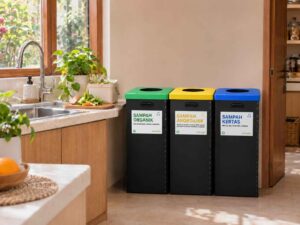
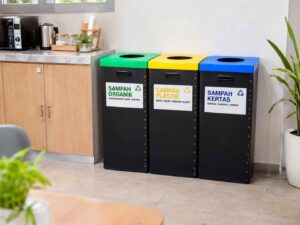
Place sorting containers in easy-to-reach spots, such as the kitchen or backyard. Label them Organic, Plastic, and Paper so every family member knows where each type of waste goes.
Make sure the containers are easy to clean and have enough capacity for your daily waste. Don’t forget to empty organic waste regularly so it does not pile up for too long.
The ALVAboard Eco Bin for More Organized Waste Sorting
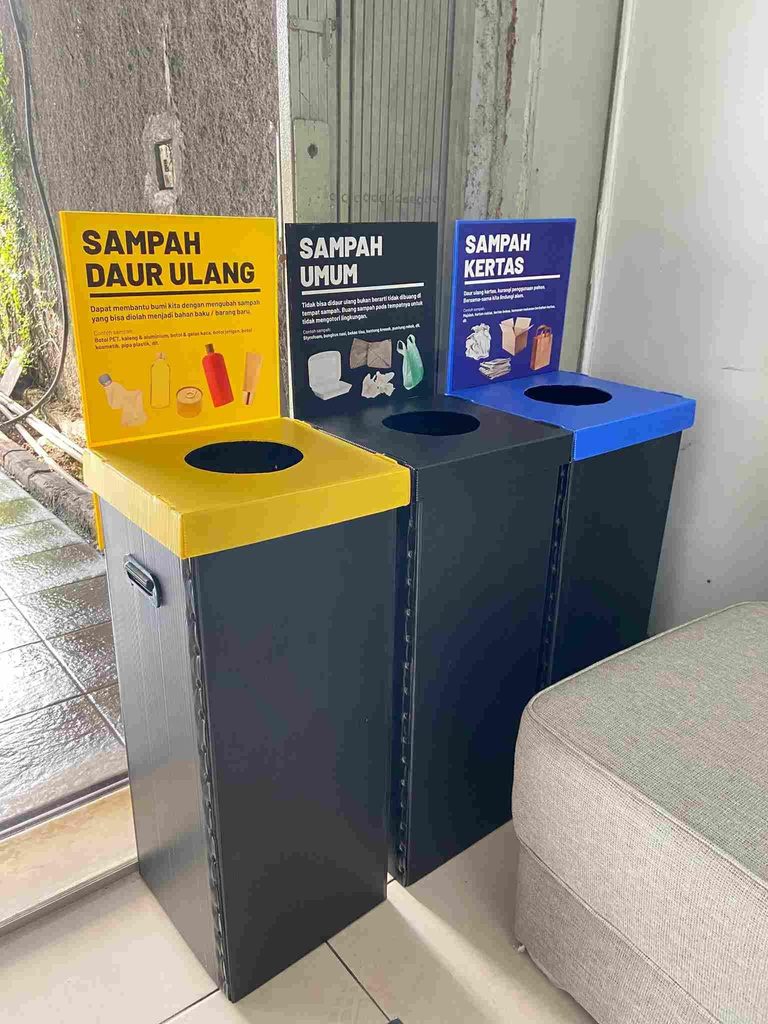
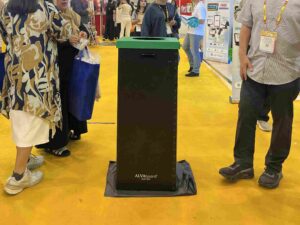
A waste sorting habit is easier to apply when your home has the right containers. One option you can use is the ALVAboard Eco Bin, a sorting bin made of Polypropylene (PP) Corrugated Sheet.
The material is 100% waterproof and does not absorb liquid from food scraps. If the surface gets stained, the ALVAboard Eco Bin can be cleaned under running water as needed.
Its light weight also makes the bin easy to place and move around the house. With category labels, users can more easily tell the organic and inorganic bins apart. The PP material can also be recycled through the proper channels at the end of its service life.
As a manufacturer of PP Board or PP Corrugated Sheets, ALVAboard offers the ALVAboard Eco Bin as one option to support waste sorting habits. Product information is available on the ALVAboard Official Website or Buy the ALVAboard Eco Bin on Shopee.
How Do You Get Rid of Trash Odors in the Kitchen?
Having separate bins is the first step, but cleanliness still needs to be maintained through daily habits. Here are a few things you can do:
- Empty organic waste regularly. Don’t wait until the bin is full, especially if it contains wet food scraps.
- Drain organic waste that is too wet. Excess liquid can make unpleasant odors appear faster.
- Clean the bins regularly. Use a cleaning method that suits the bin’s material.
- Make sure inorganic packaging is dry. Leftover drinks and food should be cleaned off before the packaging is stored.
- Place the bins in a suitable area. Choose a spot that is easy to clean and does not get in the way of cooking.
Keep in mind that the right bin does not automatically eliminate odors. Sorting, regular emptying, and keeping the bins clean are still important parts of household waste management.
Create a Cleaner, More Organized Kitchen with the ALVAboard Eco Bin
Sorting waste at home is not a job you have to do alone. Encourage every family member to get used to throwing waste into the right category, from separating food scraps and cleaning packaging to keeping the bins clean.
With the support of the ALVAboard Eco Bin, made of 100% waterproof and easy-to-clean PP Corrugated Sheet, sorting can become more practical and organized.
Start creating a cleaner home environment with the ALVAboard Eco Bin. To see the product options, visit the ALVAboard Shopee Official Store. You can also consult your Eco Bin needs for homes, schools, or bulk procurement with the ALVAboard team via WhatsApp +62 877-9310-2838 or click the Contact Us button below!