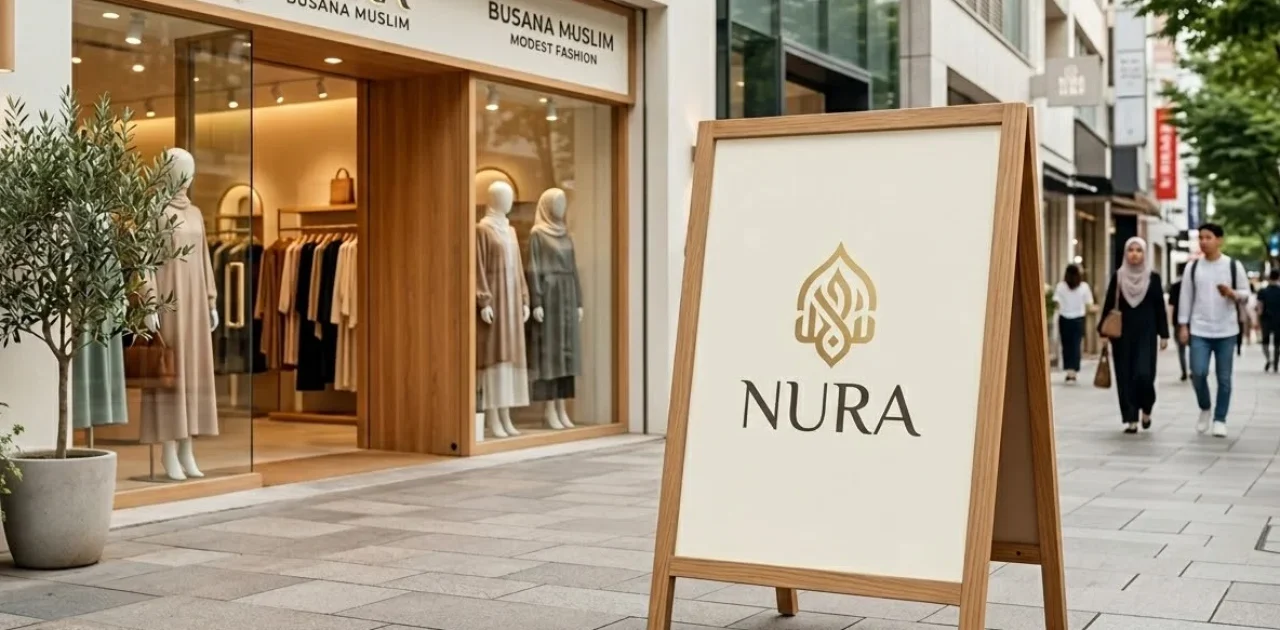
Displays are visual communication tools that convey a brand’s identity, guide customers’ purchasing decisions, and create a first impression that influences whether customers choose to stay and browse or leave the store quickly.
Muslim fashion has distinctive product characteristics, such as longer garment lengths, varied fabric textures, and aesthetic as well as religious values that call for a presentation that is neat, elegant, and informative. Displays that do not align with these characteristics can negatively affect customers’ perception of the product’s quality.
A common issue faced by Muslim fashion stores is that standard displays available on the market are often not compatible with their specific needs. This may include sizes that do not match the proportions of the products, mounting systems that do not fit the store layout, or visual identities that fail to reflect the brand’s character. As a result, the store can appear generic and may struggle to communicate its brand values effectively.
The solution is to use custom display boards so that every element of the display can be designed according to the store’s specific needs, from dimensions and materials to mounting systems and visual quality.
Technical Specifications to Determine Before Placing an Order
1. Display Size and Proportions
The size of the display is the first parameter that must be determined because it influences all subsequent specification decisions. For Muslim fashion stores, size considerations involve several dimensions at once.
The height of the display should be adjusted to match the proportions of the products being presented. Images or visualizations of long garments such as gamis or abaya require displays with sufficient height so the products appear proportional and are not visually cut off.
The width of the display should also take into account the customers’ viewing distance from normal positions inside the store. A display that is too narrow may lose its visual impact from afar, while one that is too wide can dominate the space and disrupt customer circulation.
2. Display Board Material
The choice of material determines the display’s durability, visual quality, and total cost of ownership. For Muslim fashion stores that want an elegant appearance with a well-planned investment, PP corrugated is widely used because it is lightweight, durable, moisture-resistant, and has a surface that can support high-quality printing.
PP corrugated is available in various thicknesses that affect the strength and rigidity of the panel. For freestanding displays or large wall displays, a thicker board provides the stability required. Meanwhile, for smaller displays or tabletop displays, a thinner board may be sufficient while still maintaining cost efficiency.
Surface finishing is also part of the material decision. Glossy lamination provides a bright appearance with vivid colors, while matte lamination creates a more elegant look and reduces glare under store lighting.
3. Mounting System
The mounting system determines how the display will be installed in the store and how easily it can be moved or updated. There are several options that are relevant for Muslim fashion stores.
Permanent wall displays use mounting systems that are installed directly onto the store wall. They are suitable for store focal points that rarely change, such as the main wall behind the cashier or a featured product area. This system creates a clean appearance but offers the least flexibility for changes in content or layout.
Next, freestanding displays with legs or supports can be moved according to the store’s layout needs. They are suitable for stores that frequently change their layout or for promotional displays that need to be placed in different locations.
Another option is a modular display system that can be reconfigured, offering the highest level of flexibility. Display panels can be added, removed, or rearranged without the need to replace the entire system.
4. Visual Quality and Printing
Visual quality influences how customers perceive a brand. For Muslim fashion stores, a high visual standard is essential because the products being sold are fashion items whose aesthetic value strongly influences purchasing decisions.
The recommended minimum print resolution for displays viewed from a close distance is 150 dpi, while larger displays viewed from farther away can use 72 to 100 dpi.
Make sure the discussion with the manufacturer includes the color management system used in the printing process and how color consistency is maintained across production batches, especially for stores with multiple branches.
5. Content Update Flexibility
The frequency of display content updates determines whether the display should be designed for permanent content or for materials that can be easily replaced. Muslim fashion stores that follow fashion calendars or the Islamic calendar usually require display content updates for occasions such as Ramadan, Eid al-Fitr, Eid al-Adha, or the beginning of a new season.
If frequent content updates are required, a frame system with replaceable printed materials is a more economical long-term solution than reproducing the entire display each time the content changes. Frames made from durable materials can last for years, while the printed inserts inside can be replaced as needed.
Parameters to Check Before Placing an Order
There are several fundamental questions that need to be answered before moving to the stage of ordering custom display boards.
- The installation location of the display determines the size, mounting system, and material specifications. Displays for indoor areas with controlled lighting require different specifications from displays placed near the entrance that are exposed to direct sunlight or humidity.
- The planned duration of use determines the choice of materials and production quality. Displays intended for use for six months to a year or longer require different material specifications compared to displays for short-term promotional campaigns lasting two to four weeks.
- The frequency of content changes determines whether a system with replaceable materials is more economical than producing a new display each time the content is updated.
- The number of branches that require the display influences the production strategy and the potential cost savings from volume orders. The more units that are ordered, the lower the cost per unit becomes, as the production setup cost is distributed across a larger number of units.
- Compatibility with the store’s interior concept is just as important as the technical specifications. A display that does not align with the color palette, design style, or atmosphere the store aims to create will feel out of place.
- Ease of installation and maintenance should also be considered, especially if the display will be installed and maintained by store staff without the assistance of specialized technicians.
General Process of Creating Custom Display Boards
1. Store Requirements Consultation
During the consultation stage, communicate the store’s specific needs to the manufacturer, including the purpose of the display, installation location, estimated budget, and expected quality. A thorough consultation at this stage helps reduce the risk of costly revisions during the production phase.
2. Visual Design Development
This stage includes creating mockups or renderings that illustrate the final appearance of the display before production begins. It is an opportunity to evaluate and revise visual elements without incurring production costs. Make sure all design revisions are fully completed before final approval is given.
3. Determining Material and Structural Specifications
This step is carried out after the visual design has been approved. The choices of materials, thickness, finishing, and mounting system are finalized based on the needs that have already been identified.
4. Prototyping or Sampling
Highly recommended for large volume orders or displays with specifications that have never been produced before. Prototypes facilitate physical evaluation of materials, print quality, and installation systems before the entire batch is produced.
5. Mass Production
Commences after the prototype is approved and all specifications are confirmed. The production timeline varies depending on order volume and the complexity of specifications. Ensure the production schedule is aligned with installation needs, especially if displays are required for special moments such as Ramadan or new collection launches
6. Shipping and Installation
This final stage must be well-planned, particularly for distribution to multiple branches simultaneously. Coordination between shipping schedules, staff availability for installation, and target installation dates must be ensured from the start to avoid delays that could disrupt campaign plans.
Conclusion
Displays designed and produced with precise specifications not only make the store look more attractive but also actively support brand communication and drive customer purchasing decisions.
Displays designed and produced with precise specifications not only make the store look more attractive but also actively support brand communication and drive customer purchasing decisions.
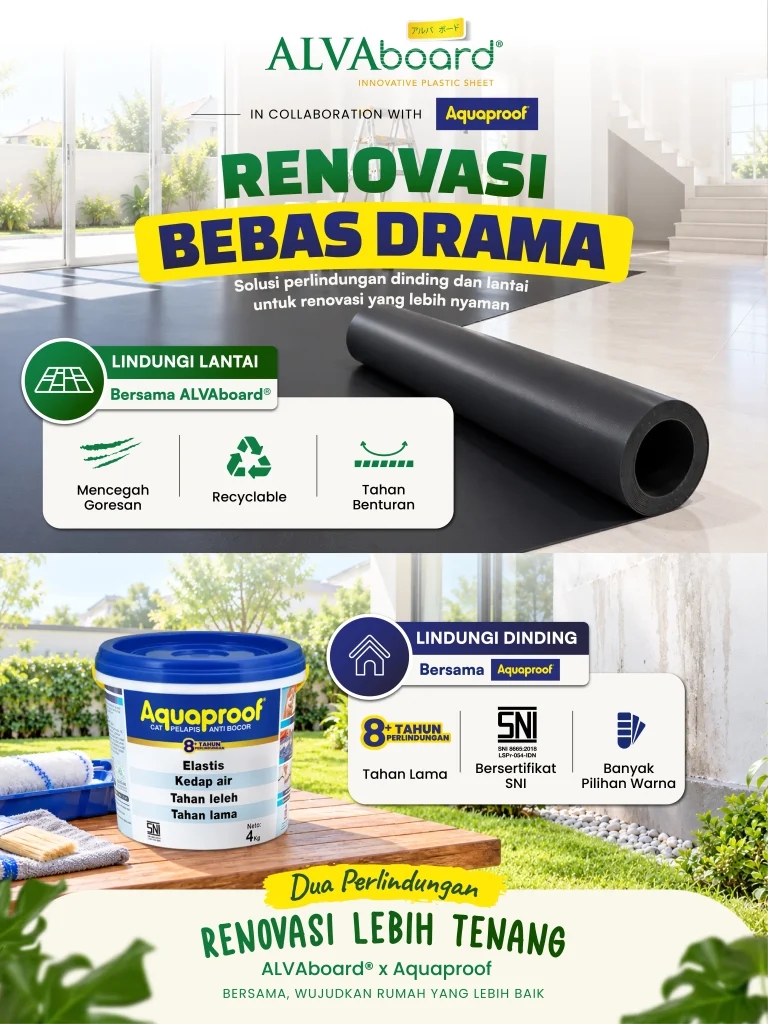
For your custom PP board display needs from a experienced PP board display manufacturer in various retail applications, ALVAboard is a worthy reference to consider in the evaluation and procurement process of display boards for your Muslim fashion store!