
Every time Ramadan, Eid, Christmas, or the New Year approaches, demand for hampers surges sharply within a short period.
Brands compete to prepare products, packaging designs, and promotional campaigns. However, one aspect that is often overlooked is the readiness of the delivery system.
Many businesses only realize the problem after receiving thousands of orders. Packing capacity is insufficient, packaging stock runs out midway, or products arrive at customers in damaged condition.
This article discusses the most common challenges in large-scale hampers delivery during peak season, along with their impact on costs and brand reputation.
Why Is Hampers Delivery More Complex Than Regular Products?
While regular products can simply be packed individually and shipped, hampers tell a different story.
A single hamper package can contain 5 to 15 different items, each varying in size, shape, and fragility.
Arranging everything so that it looks neat, stays in place during transit, and still appears premium when opened by the recipient requires careful attention.
Kemasan premium juga punya standar ketat. Box hampers dari material PP corrugated atau rigid board tidak bisa diperlakukan sama seperti kardus biasa.
Premium packaging also has strict standards. Hampers boxes made from PP corrugated or rigid board cannot be treated the same way as regular cardboard boxes.
Above all, most hamper deliveries are time-sensitive. Eid hampers must arrive before the big day, while corporate hampers for specific events have non-negotiable deadlines. A delay of just one day can spark a wave of complaints across social media.
Common Types of Hampers for Large-Scale Delivery
What are the most common types of hampers sent in bulk? They include the following list below.
- Food and beverage hampers. These may contain cookies, chocolates, bottled drinks, or other packaged products. Combining light and heavy items in a single box requires proper weight distribution to prevent the contents from damaging one another.
- Beauty and self-care hampers. These include skincare products, soaps, or aromatherapy candles. Such items are prone to impact and are sensitive to extreme temperature changes during transit.
- Corporate hampers. These usually contain branded merchandise, premium products, or a combination of both. The presentation standards are very high, as they represent the company’s brand image.
- Baby and children’s hampers. These contain care products or toys that often require extra protection, along with packaging that is safe and free from hazardous materials.
Challenges of Delivering Hampers During Peak Season
1. Surge in Order Volume Over a Short Period
According to data from the Indonesian Logistics Association, national shipping volumes can increase by 30-50 percent during the Lebaran peak season compared to normal months.
For large-scale hamper businesses, this surge can even reach two to three times their normal capacity.
The problem is that systems that perform well on regular days may not necessarily handle a multiplied workload. If not anticipated early on, this situation has the potential to cause chaos.
2. Complexity of the Premium Hamper Packing Process
Packing premium hampers involves specific standards regarding layout, the use of fillers, the placement of greeting cards, and the methods for closing and sealing the boxes.
An experienced packer can typically complete 15–20 units per hour for hampers of moderate complexity.
When order volumes spike suddenly, a common approach is to hire temporary packers. While this is a quick solution, the quality is often inconsistent, which frequently triggers customer complaints.
3. Packaging Material Management Challenges
Many brands underestimate the need for packaging materials.
They calculate box requirements based on sales projections, but fail to account for buffers for production damage, packing errors, or sudden order changes from corporate clients.
As a result, packaging stock runs out in the middle of the fulfillment process.
To make matters worse, premium packaging manufacturers are also overwhelmed during peak season. The lead time for producing hamper boxes made from materials like PP corrugated board can reach 3–6 weeks, depending on the specifications and order volume.
If a brand only orders packaging one month before Lebaran, it is highly likely that they will not secure a production slot.
4. Product Damage Risks During Shipping
Even neatly packed hampers can still get damaged during transit if the outer packaging is not strong enough.
The causes can range from vibrations on the delivery vehicle and excessive stacking of goods to exposure to heat or humidity during transit.
Data from a 2023 Indonesian e-commerce consumer survey shows that approximately 23 percent of shipping complaints were related to the damaged condition of the packaging upon arrival.
For premium products like hampers, the percentage of complaints is higher because customer expectations are also high. A dented box or an open lid is enough to disappoint a customer.
5. Risks to Brand Reputation
In the social media era, one bad customer experience can spread to thousands of people in a matter of hours.
Photos of hampers arriving in damaged condition, incorrect contents, or repeated shipping delays are content that goes viral quickly, and not in a positive way for the brand.
A PwC study on consumer behavior found that 32 percent of consumers will stop using products from a brand that has provided a bad experience, even if they were previously loyal customers.
For a hamper business that heavily relies on repeat orders and word-of-mouth recommendations, this is a long-term loss that cannot be calculated simply by the cost of product replacement.
6. Hidden Operational Cost Spikes
Many brands only consider shipping costs when calculating delivery expenses. In reality, there are many hidden costs that also increase during the peak season.
Some of these include labor overtime costs, additional warehouse rental fees, repackaging costs for damaged products, and even shipping insurance premiums.
If all of this is not accounted for from the beginning, the profit margins from peak season hamper sales can be completely eroded, with the potential to even result in a loss despite high sales volume.
This is often what confuses business owners; they have high sales, but the profit doesn’t meet expectations.
7. Pressure on Logistics and Expedition Systems
The national logistics system also bears the same burden during peak season. Expedition fleet capacity is limited while shipping demand from all sectors increases simultaneously.
As a result, pickup times can be delayed, shipping estimates become inaccurate, and tracking status updates are often delayed.
For hamper deliveries that are meant as gifts, this delay is highly sensitive. Hampers that are supposed to arrive on the day of a celebration but only arrive a week later have already lost their value as a gift.
The Importance of Operational Planning for Packaging and Shipping Well Before Peak Season
All of the challenges discussed above can actually be minimized, provided that the preparation begins before the peak season arrives.
Rushed preparation almost always leads to poor decision-making, both in terms of quality and cost.
Behind the attractive packaging of hampers, there is an operational readiness that needs to be built well in advance.
Starting from choosing the right material, ensuring the structural integrity of the box for long-distance shipping, to adjusting the dimensions to meet courier standards so that you do not get hit with inflated dimensional weight costs.
Some of the things that need to be planned at least 3-4 months before the peak season include:
- Ordering packaging materials early to avoid price hikes;
- Conducting packing tests and shipping simulations to identify potential damage;
- Building packing team capacity through structured training;
- Evaluating packing team capacity through structured training:expedition partners experienced in handling high-volume deliveries.
Regarding the selection of shipping partners, it cannot be decided at the last minute either.
Professional shipping companies already have transparent tracking systems, a good track record in handling fragile goods, and the ability to prioritize time-sensitive deliveries. All of these factors must be evaluated and confirmed before the peak season arrives.
For brands distributing hampers outside of Java, for example to the Sulawesi region, ensure your shipping partner is experienced in serving that specific route.
For shipping needs from Jakarta to Makassar, for example, choose an expedition service like Papandayan Cargo that has a strong fleet and network on inter-island routes, ensuring that hampers arrive on time and in good condition.
Conclusion
The challenges of large-scale hamper shipping during peak season stem from surges in order volume, the need for meticulous packing processes, the availability of packaging materials, the risk of damage during transit, and the simultaneous limitations in logistics system capacity.
External factors such as road conditions, weather, courier warehouse capacity, and the operational policies of shipping services during peak season also have an impact and cannot be fully controlled.
What you can control is how mature the preparations are from the internal side of the brand itself. Therefore, operational planning for packaging and the selection of shipping partners must not be done at the last minute.
In your preparations, do not forget the selection of hamper boxes. Choose boxes that are sturdy, resistant to pressure during shipping, and maintain a premium appearance when received by the customer.
The PP board box material has become a favorite choice for brands that are serious about maintaining their hamper shipping standards.
This type of box is characterized by being strong, lightweight, waterproof, termite-resistant, reusable, and recyclable, making it environmentally friendly.
Materials like this can be obtained from trusted packaging manufacturers that focus on the premium packaging segment.
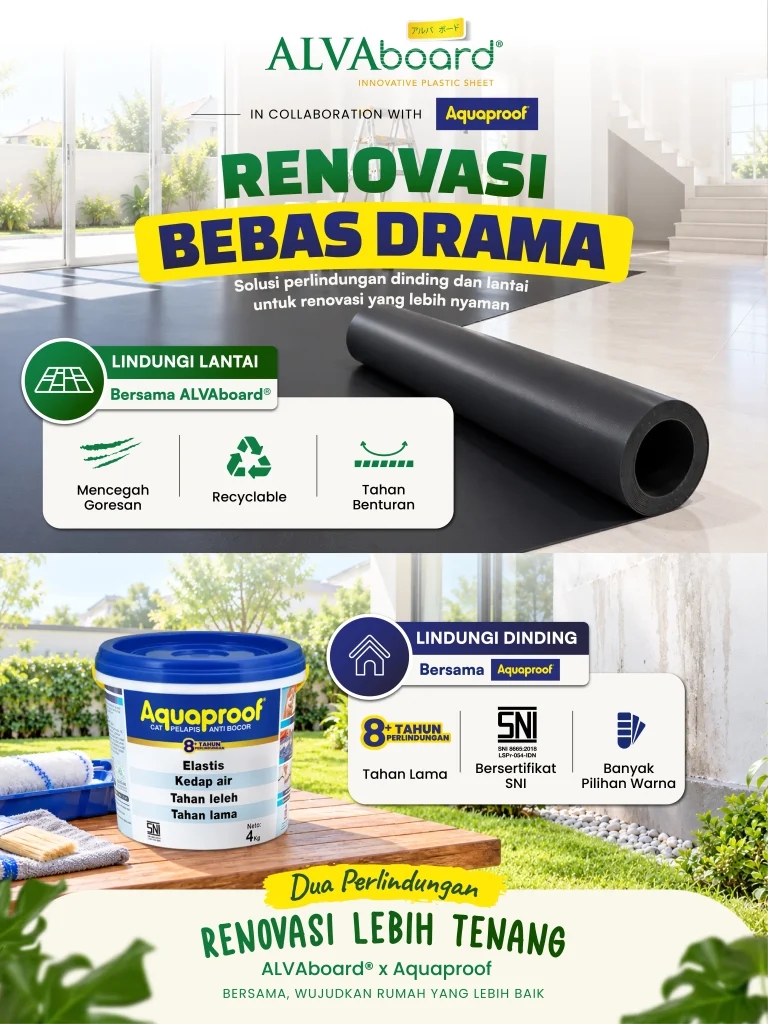
One of them is ALVAboard, a packaging manufacturer that provides premium hampers box solutions, including PP board hampers boxes.
Let’s contact ALVAboard now to consult on your hamper box needs!