The FMCG industry moves fast. Products must be available on store shelves before consumers switch to other brands. Delivery schedules cannot be delayed. Stock must not run out at any distribution point.
Behind this speed, costs continue to rise. Many FMCG operations managers realize that their distribution costs increase year after year, but it is difficult to pinpoint a single clear cause.
That is because there is no single cause. Indonesia’s logistics cost ratio is still around 23% of GDP, making it one of the highest in the world.
The issue often comes from inefficient routes, suboptimal packaging, non-standardized warehouse systems, and hidden costs from product damage.
Let’s take a closer look in this article.
Why Distribution Becomes the Largest Cost Component in FMCG
Fast-Moving Nature of FMCG Products
FMCG products have very short turnover cycles. Consumers buy and finish these products within days or weeks.
This means the supply cycle must run continuously without long breaks. High shipment volume, high frequency, and thin per-unit margins are the norm.
Wide Distribution Coverage and High Frequency
Indonesia consists of more than 17,000 islands with varying infrastructure conditions.
FMCG distribution to remote areas requires a combination of land, sea, and air transportation, increasing operational complexity and costs.
A single factory must reach thousands of distribution points, from minimarkets to small rural shops, with consistent schedules.
Pressure to Maintain Product Availability in the Market
Stockouts at retail points do not only mean lost sales for that day. Consumers who cannot find their preferred product will switch brands and may never return.
This pressure forces FMCG companies to maintain high delivery frequency, even when shipment loads are not always optimal.
Main Causes of Rising FMCG Distribution Costs
1. Rising Fuel Prices and Transportation Rates
One of the biggest pressures today is the increase in fuel prices, which directly impacts operational costs.
Fuel price hikes can squeeze logistics company margins or force tariff adjustments for customers. For FMCG manufacturers, this increases cost per distributed unit.
2. Inefficient Distribution Routes
Vehicles that are not fully loaded, suboptimal routing, and idle fleets between deliveries all create recurring inefficiencies.
Distribution costs can drop by up to 30% through route optimization and digital distribution systems. However, many FMCG companies still rely on manual, non-data-driven planning.
3. High Warehouse and Handling Costs
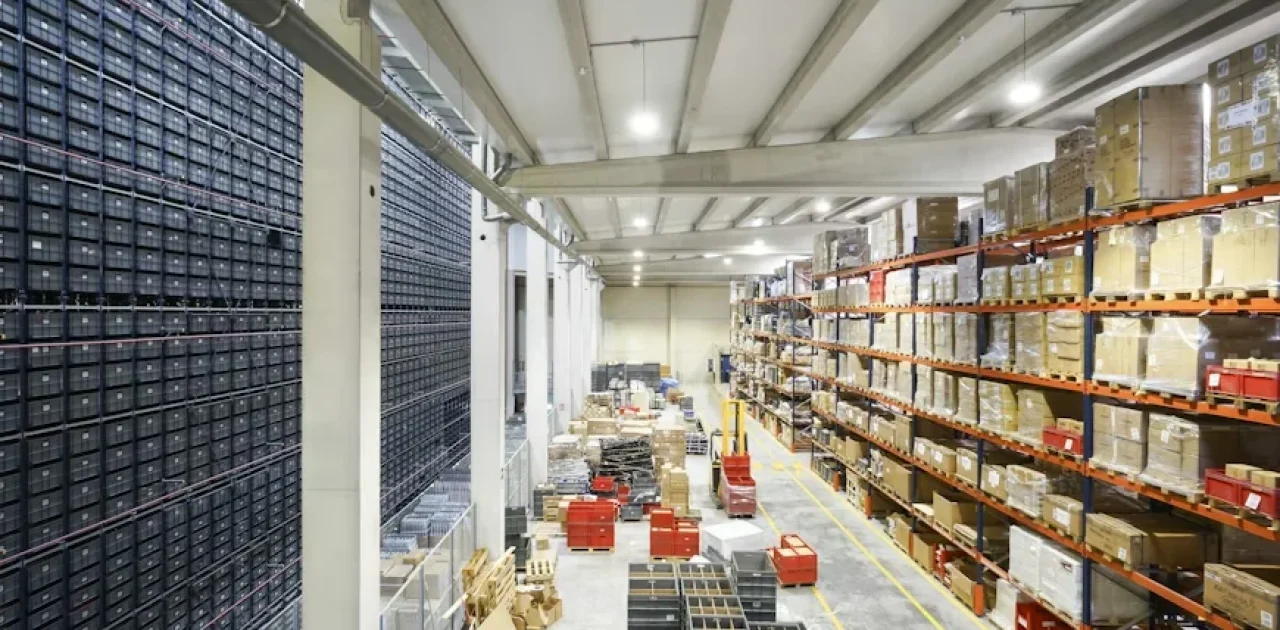
Warehouse rent, labor costs, and storage system operations are major fixed cost components.
When warehouse capacity is not used optimally, the cost per unit increases.
Inefficiencies in picking, packing, and loading also add hidden costs not always visible in reports.
4. Product Damage During Delivery
Every damaged product in transit is a cost that generates no revenue.
On top of that, there are claim costs, replacement costs, and potential long-term loss of business partner trust.
5. Inaccurate Demand Forecasting
According to a Deloitte survey, 60% of supply chain leaders still struggle with accurate demand planning.
Gartner predicts that companies with poor inventory management can experience up to a 30% increase in storage costs.
Overproduction leads to excess stock and higher holding costs, while underproduction leads to expensive emergency shipments.
6. Complexity of FMCG Distribution Channels
Modern trade, traditional trade, and e-commerce each have very different distribution requirements.
Large retail chains have strict receiving schedules and packaging standards. Traditional stores require frequent small deliveries. E-commerce platforms have their own labeling and packaging rules.
Managing all channels simultaneously increases operational complexity and costs.
7. Packaging Inefficiency in Logistics
Packaging that is not optimized for standard pallets wastes loading space.
Fragile packaging requires additional protective layers, increasing weight and volume.
Unstackable boxes reduce pallet efficiency. All of this directly impacts load capacity and cost per unit.
Impact of Rising Distribution Costs on FMCG Companies
1. Pressure on Profit Margins
FMCG already operates on thin margins, so rising distribution costs directly reduce profitability.
Companies must either absorb the cost or increase selling prices, risking competitiveness.
2. Less Competitive Product Pricing
If distribution costs are passed on to retail prices, products become more expensive than competitors with better logistics efficiency.
When global oil prices rise, logistics costs are affected as well. As a result, distribution costs soar and profit margins shrink.
3. Product Availability Disruptions in the Market
When distribution costs become too high for certain routes, companies often reduce delivery frequency to those areas.
As a result, product availability in the market becomes inconsistent. Consumers who repeatedly encounter empty shelves are likely to switch to other brands.
4. Risk of Losing Distributor and Retailer Loyalty
Distributors and retailers expect consistent on-time deliveries, good product condition, and flexibility in meeting their needs.
When inefficient distribution systems cause recurring delays or product damage, trust from business partners gradually erodes.
Strategies to Reduce FMCG Distribution Costs
1. Route and Distribution Load Optimization
Using data-driven route planning systems helps companies maximize shipment loads and choose the most efficient delivery routes.
The result is lower fuel costs, driver costs, and vehicle costs per distributed product unit.
2. Supply Chain Digitalization and Distribution Monitoring
Real-time visibility of stock positions at every distribution point enables more accurate forecasting.
When companies can predict demand more precisely, they can avoid expensive emergency shipments and excessive inventory buildup that increases warehouse costs.
3. Using More Efficient Packaging Materials
The choice of packaging material directly impacts three major distribution cost factors:
- Pallet load capacity
- Packaging replacement frequency
- Product damage rate during delivery
The good news is that PP corrugated sheet is a material that addresses all three aspects.
It is lightweight yet durable, maintains its dimensions even after repeated use, and provides better structural protection compared to cardboard for products moving through long distribution chains.
4. Collaboration Between Logistics and Procurement Teams
Packaging selection decisions are often made by procurement teams based solely on material purchase prices.
However, the biggest impact of these decisions is experienced by logistics teams through load efficiency, damage rates, and handling costs.
That is why cross-functional collaboration in packaging evaluation is essential to ensure decisions are based on total distribution cost, not only material price.
Why Packaging Selection Greatly Affects Distribution Costs
In FMCG distribution, packaging is an operational component that influences nearly every aspect of logistics costs. Here are several reasons why:
- Load Capacity. Packaging dimensions that are not designed to fit standard pallets efficiently will waste valuable cargo space.
- Handling Cost. Packaging with consistent dimensions and easy handling characteristics reduces loading and unloading time at warehouses and distribution points.
- Return Risk. Weak or easily damaged packaging increases the likelihood of products arriving in poor condition.
- Warehouse Efficiency. Packaging that consistently maintains its shape makes stacking and retrieval processes easier and more efficient.
That is why PP corrugated sheets has become one of the best solutions for modern FMCG distribution systems. This material helps companies reduce long-term packaging costs, protect products during transportation, and support more efficient operations throughout the supply chain.
As one of Indonesia’s leading PP manufacturers, ALVAboard provides PP corrugated sheet solutions designed for repetitive distribution systems.
From reusable layer pads for separating product layers on pallets to customizable product options tailored to your specific distribution requirements.
Unlike single-use plastic packaging, reusable PP corrugated sheets distribute material costs across multiple usage cycles. This creates a more financially stable packaging system even when raw material market prices fluctuate.
If you would like to learn more about reusable layer pads in modern distribution systems or find the right layer pad supplier, ALVAboard is ready to provide technical guidance tailored to your operational needs.
Consult your factory’s PP corrugated sheet requirements with the ALVAboard team via WhatsApp at +6287793102838!