Have you ever opened the kitchen bin and smelled leftover food mixed with plastic bottles and used paper? The same thing often happens in office pantries. Fruit peels, leftover rice, drink packaging, and shopping receipts all end up piled in one container. Besides causing odors, mixed waste makes the next sorting step more of a hassle.
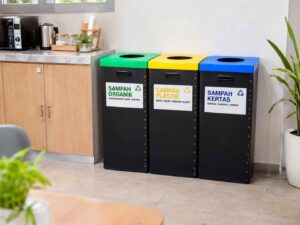
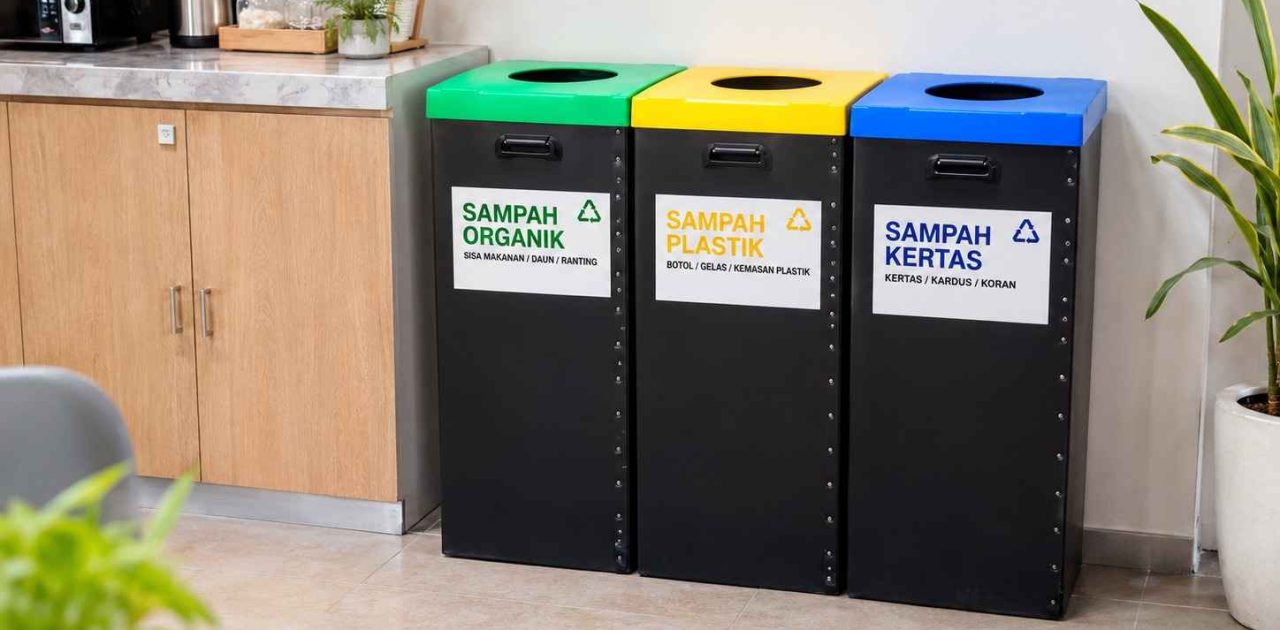
In fact, sorting organic and inorganic waste can start with simple habits: recognizing the type of waste, separating food scraps from dry packaging, cleaning packaging that still has liquid in it, and providing a different container for each category. With the help of sorting bins such as the ALVAboard Eco Bin, this habit can be applied more consistently at home and in the office.
Understanding Organic and Inorganic Waste with National Data
Organic waste comes from natural materials and can break down biologically. Examples include leftover rice, fruit peels, vegetable scraps, coffee grounds, and dry leaves. Inorganic waste, meanwhile, includes materials such as plastic bottles, cans, glass, and paper packaging that can be sorted for reuse or recycling depending on their condition.
The scale of the waste problem is also clear from the latest national data. Based on the 2025 waste composition data published by Indonesia’s Ministry of Environment, food waste is the largest type at 40.79%, followed by plastic at 19.95%, wood or twigs at 13.70%, and paper and cardboard at 11.39%. Other types include metal at 3.25%, fabric at 2.41%, glass at 2.40%, rubber or leather at 2.10%, and other categories at 6.51%.
By source, households contributed around 56.82% of the total waste recorded in 2025. This shows that waste management habits at home play an important role in reducing the waste problem. Note that the 2025 data comes from reporting regencies/cities, so it cannot be taken directly as a complete picture of all of Indonesia.
When wet and dry waste are mixed, food scraps can stick to plastic and paper packaging. The packaging then has to be cleaned again before it can be reused or recycled. Food scraps left to pile up can also cause odors and attract insects.
4 Practical Steps to Sort Organic and Inorganic Waste Every Day
Starting a waste sorting habit does not require complicated facilities. Here are four simple steps you can apply with your family or coworkers.
1. Separate Food Scraps from the Start
Put fruit peels, vegetable scraps, coffee grounds, and leftover food in a dedicated organic container. Use a container that is easy to clean and empty it regularly so food scraps do not pile up for too long. Suitable organic waste can be sent for composting.
2. Clean Plastic Packaging and Cans
Before throwing away drink bottles, plastic cups, or cans, empty out any remaining liquid. Rinse if needed, then let them drain until dry. This step helps reduce leftover drinks or food that can cause odors.
3. Separate Paper and Dry Packaging
Receipts, paper, and cardboard packaging that can still be sorted should be kept dry. Flatten plastic bottles and certain packaging so they do not take up too much storage space.
4. Place Sorting Bins in Strategic Locations
Provide containers with easy-to-read labels in the kitchen, workspace, or office pantry. Place them where they are easy to reach so every family member or staff member gets used to throwing waste into the right category.
ALVAboard Eco Bin: A Hygienic, Waterproof Waste Sorting Bin
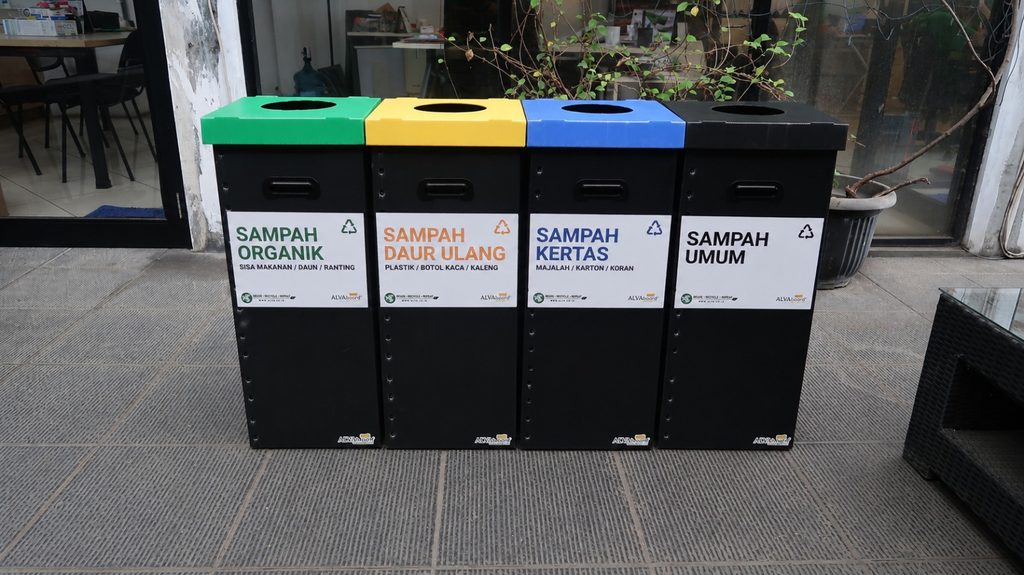
The intention to sort waste often stops after a few days because the home or office only has one bin. When the container starts getting damp, gets splashed with food liquid, or is hard to clean, sorting starts to feel like a chore.
The ALVAboard Eco Bin is a sorting container made of Polypropylene (PP) Corrugated Sheet. This material is 100% waterproof, so it does not easily absorb liquid from food scraps. Its surface can also be cleaned under running water when it gets stained.
Besides being lightweight, the ALVAboard Eco Bin has a look that can be adjusted to suit your room layout. Category labels help users find the right bin, whether for organic waste, plastic, or paper. The material can also be recycled at the end of its service life.
These features make the ALVAboard Eco Bin a waterproof and hygienic sorting bin alternative for homes, schools, and offices. Find more product information on the ALVAboard Official Website and see its inspiration and activities on Instagram @alvaboard.
Start Your Waste Sorting Habit Today with the ALVAboard Eco Bin
Keeping your home and office clean can start with a simple decision: no longer mixing all your waste in one container. When each type of waste has its own place, collecting and sending it for further processing becomes more organized.
Start sorting waste with your family and coworkers using the ALVAboard Eco Bin. You can see the products at the ALVAboard Shopee Official Store or directly Buy the ALVAboard Eco Bin on Shopee.
Create a Clean Space with a Waste Sorting Habit
Separating organic and inorganic waste every day is easier with the right container. The ALVAboard Eco Bin, made of 100% waterproof and easy-to-clean Polypropylene, can help organize a waste sorting system at home, at school, or in the workplace.
Consult your ALVAboard Eco Bin needs for homes, offices, schools, or bulk procurement with the ALVAboard team via WhatsApp +62 877-9310-2838 or click the Contact Us button below to get product specifications and a quote that fits your needs.