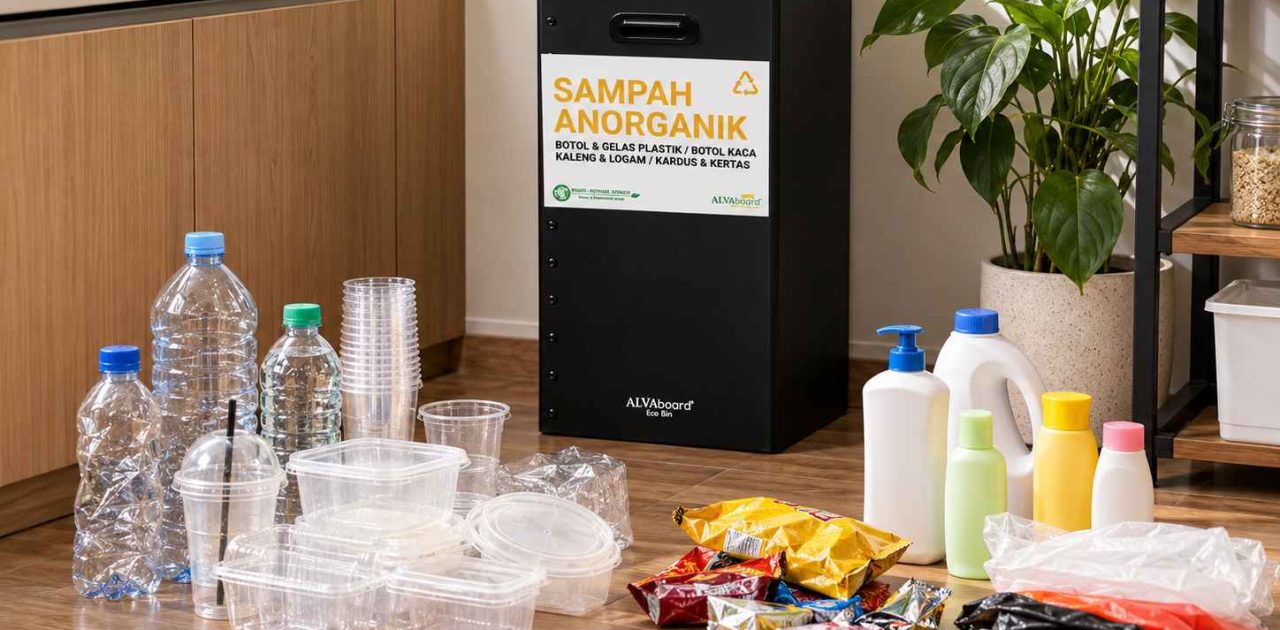
Have you ever noticed how many beverage bottles, food wrappers, and product packages accumulate in a single day? At home and in the office, plastic waste often ends up in the same bin simply because we are unfamiliar with the materials. Understanding the 7 types of plastic based on their recycling codes—PET, HDPE, PVC, LDPE, PP, PS, and OTHER—is an important first step toward sorting waste correctly and supporting the recycling process.
Why Is Sorting Plastic Waste at the Source So Important?
Plastic waste is one of the components included in Indonesia’s recorded waste composition. According to waste composition data from the National Waste Management Information System (SIPSN), the percentage of plastic waste varies across regions. To obtain accurate figures, select the year and region you want to analyze on the platform.
When different types of waste are mixed together, packaging that could otherwise be recycled may become contaminated with food scraps, oil, or liquids. This makes further sorting more difficult and can reduce the quality of the collected materials.
Sorting waste at home or in the office helps separate materials according to their type. This simple habit also makes it easier to send recyclable waste to waste banks or waste management facilities that accept those materials.
Understanding the 7 Types of Plastic Waste and Their Recycling Codes
The Resin Identification Code (RIC) uses numbers 1–7 to indicate different types of plastic resins. These codes identify the material; they do not guarantee that the packaging will be accepted by local recycling facilities. For more information about resin identification codes, visit the Plastics Industry Association website.
1. Code 1 – PET or PETE
Polyethylene Terephthalate (PET) is widely used for drinking water bottles, soft drink bottles, and various food packaging products. Once emptied, PET packaging can be sorted as recyclable plastic if accepted by local facilities. Dispose of caps and other components according to the applicable waste management guidelines.
2. Code 2 – HDPE
High-Density Polyethylene (HDPE) is commonly found in shampoo bottles, detergent containers, and cleaning product packaging. This relatively rigid plastic is widely used for packaging applications. Empty the container, rinse it if necessary and safe to do so, and make sure no chemical residue remains before placing it in the designated plastic recycling bin.
3. Code 3 – PVC
Polyvinyl Chloride (PVC) is used in pipes, certain types of packaging, and various construction products. It requires special handling because not all recycling facilities accept PVC. Keep it separate from PET bottles and other plastics, then check with your local waste management provider to find out whether this material is accepted.
4. Code 4 – LDPE
Low-Density Polyethylene (LDPE) is commonly found in plastic bags, plastic wrapping, and flexible plastic sheets. This material can cause problems when mixed into incompatible recycling streams. Collect it in a clean, dry condition and take it to a collection point that accepts LDPE.
5. Code 5 – PP
Polypropylene (PP) is used in various food containers, bottle caps, and product packaging. PP is also used to manufacture PP Corrugated Sheets, which serve a wide range of applications, including ALVAboard Eco Bin.
This makes PP an important material to recognize when sorting waste. However, PP food containers should still be cleaned, and their acceptance for recycling should be verified before they are sent to a recycling facility.
6. Code 6 – PS
Polystyrene (PS) is used in some disposable food containers and foam packaging commonly known as Styrofoam. Because it is lightweight, this material can easily become litter. Not all waste management providers accept PS, especially foam products, so it is best to separate this material and ask your local provider about available disposal or recycling options.
7. Code 7 – OTHER
The OTHER category covers plastics that do not fall into the previous six categories, including certain types made from mixed materials. Because these materials have varying properties, there is no single recycling method that applies to every product in this category. Check the packaging information or consult a waste management facility before deciding how to handle it.
How to Sort Plastic Waste at Home and in the Office
Once you understand the recycling codes, start with these simple steps:
Empty and clean the packaging. Remove leftover food and liquids. Packaging does not need to be washed excessively; follow the cleaning requirements and acceptance guidelines of your waste management provider.
Dry and compact the packaging. Flatten bottles where possible to save space. Do not compact packaging that still contains liquids or hazardous substances.
Provide clearly labeled bins. Separate organic waste, recyclable plastics, and paper or other non-organic waste according to your local collection system.
Send waste to the right facility. Make sure the waste bank or recycling facility accepts the types of plastic you have collected.
ALVAboard Eco Bin for Neater Waste Sorting
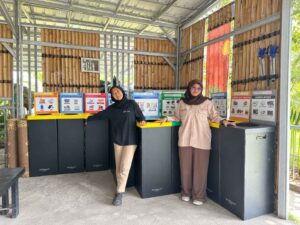
Sorting waste becomes easier when suitable bins are available and their placement is clearly organized. ALVAboard Eco Bin can be used as a waste-sorting solution for both residential and office spaces.
This product is made from corrugated polypropylene (PP) sheets, a material known for its water resistance, lightweight construction, and practicality for certain applications. Its surface can be cleaned according to the recommended care instructions, helping keep waste-sorting areas neat and organized. The material’s water resistance is also useful when the bin needs cleaning. However, waste should still be drained properly and not left to accumulate in wet conditions.
As a pioneer in developing PP Corrugated Sheet materials for various applications, ALVAboard offers solutions that can support everyday waste-sorting habits. With a production facility in Tangerang, ALVAboard positions itself as a trusted supplier offering products for a wide range of needs.
PP can be recycled through appropriate recycling channels, but the recyclability of a finished product depends on its design, additional components, condition, and the facilities available. Therefore, choose and use your waste-sorting bins responsibly to maximize their useful lifespan.
If you want to start sorting waste more conveniently, ALVAboard Eco Bin can be an option for keeping your home or office organized. You can purchase ALVAboard Eco Bin on Shopee and review the product details to find an option that suits your needs.
For more product information, visit the official ALVAboard website and follow @alvaboard on Instagram for inspiration on organizing waste-sorting areas.
Start Sorting Your Waste Today with ALVAboard Eco Bin!
Get ALVAboard Eco Bin—a practical, lightweight, and water-resistant solution to support waste-sorting habits at home and in the office. ALVAboard also offers a range of PP Corrugated Sheet solutions for residential, office, and industrial applications. To purchase ALVAboard Eco Bin, visit the ALVAboard Official Store on Shopee for a more convenient ordering experience.
Discover PP Corrugated Sheet waste-sorting solutions designed to help keep your space organized while separating organic waste, recyclable plastics, and other non-organic materials according to your needs.
Would you like to explore ALVAboard Eco Bin options for your home, office, or public facility? Discuss your requirements with the ALVAboard team via WhatsApp at +62 877-9310-2838, or click the Contact Us button below!