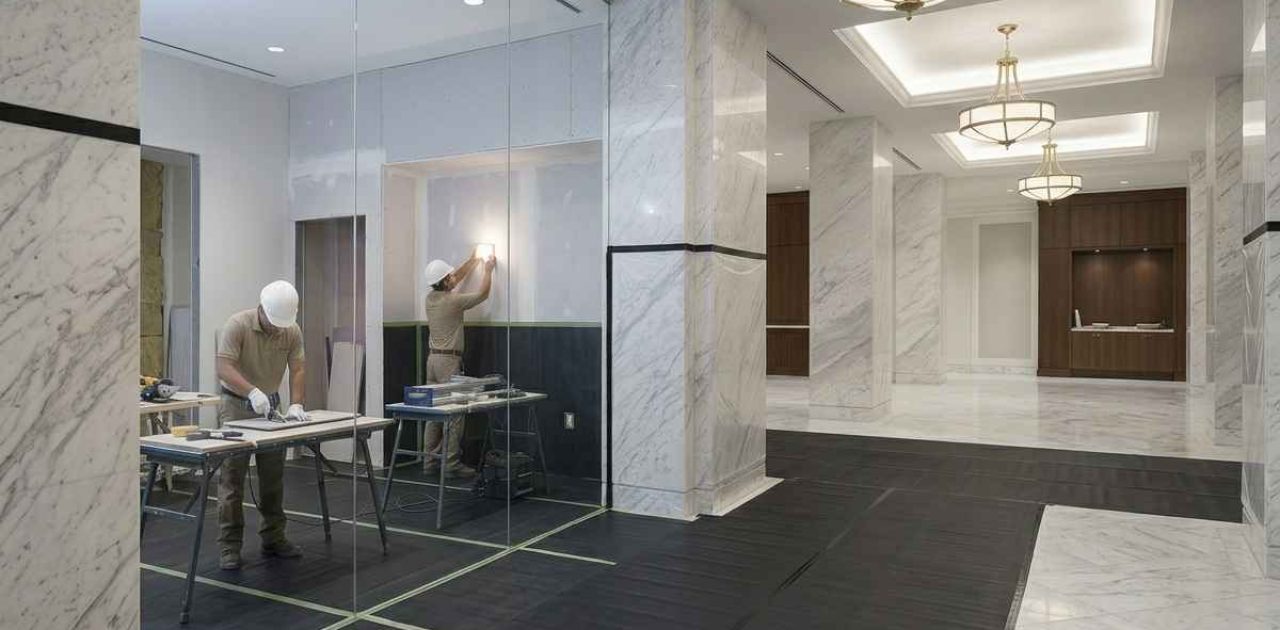
Building renovation should begin with planning for the budget, work schedule, material mobilization routes, and protection of areas that are not being renovated. This planning helps reduce the risk of rework, damage to finished surfaces, and cost increases caused by incidents during the project.
Crucial Things to Consider Before Starting a Renovation
Preparation before renovation determines how well the project’s costs, timeline, and risks can be controlled throughout the work. Whether renovating a house, office, hotel, apartment, or commercial interior, the following aspects should be determined before physical work begins.
1. Determine the Budget and Priority Scale
The renovation budget should be prepared based on the scope of work and priority needs, rather than only on estimates for the main materials. Labor costs, additional materials, transportation, debris disposal, and potential rework should be considered from the beginning.
A contingency fund is also important because actual site conditions can sometimes differ from the initial plan. Damage to surfaces that are not actually being renovated can result in additional expenses that could have been prevented.
2. Appoint a Contractor and Set the Work Schedule
Selecting a contractor and preparing a work schedule helps ensure that each task follows a clear sequence. Demolition, installation, painting, flooring, and finishing work should have coordinated stages.
The project manager also needs to determine when materials will arrive, when workers will move between areas, and which parts of the building have been completed and need to be protected from subsequent activities.
3. Map Out Equipment and Material Mobilization Routes
The routes used by workers, ladders, scaffolding, tools, and heavy materials should be mapped out before renovation begins. Frequently used areas have a higher risk of experiencing friction, impact, or exposure to work-related liquids.
Simple planning, such as determining material access points and debris disposal routes, can help reduce disruption to rooms that remain in use.
4. Protect Surfaces That Are Not Being Renovated
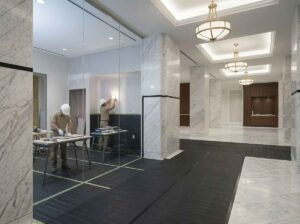
Surfaces that are not part of the renovation work still require protection throughout the renovation. Marble, granite, ceramic, parquet, and vinyl floors, as well as walls with special finishes, can be exposed to scratches, impacts, paint splashes, cement spills, and liquids.
For interior contractors and architects, such protection is not merely a matter of keeping the area neat. Damage to high-value materials can mean additional work, material replacement, schedule changes, and even increased project costs.
How to Choose the Right Temporary Floor Protector?
A temporary floor protector for renovation projects should ideally be resistant to water, friction, impact, and work activities without interfering with mobilization within the project area. The material should also be easy to install and clean, as well as reusable when a project is carried out in several stages.
Also consider the characteristics of the surface being protected. Marble and granite floors, for example, require extra attention because scratches or stains on their surfaces can affect the project’s final result.
From a project manager’s perspective, protection should also be installed before high-risk work begins, rather than after the floor or wall has already been affected by construction activities.
Temporary Floor Protection Solution: ALVAboard Floor & Wall Protector
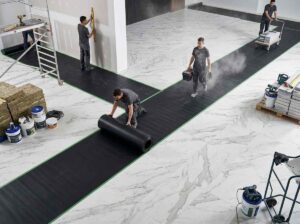
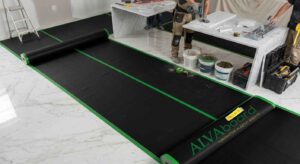
For professional-grade surface protection needs, ALVAboard offers ALVAboard Floor & Wall Protector made from Polypropylene (PP), with a thickness of 2 mm and a roll format measuring 1.25 meters × 10 meters. The product is designed to help protect floors and walls from water, friction, impact from project equipment, paint, cement, as well as construction and renovation activities.
The Polypropylene (PP) material used in ALVAboard Floor & Wall Protector is 100% waterproof, resistant to temperatures from -20°C to 130°C, termite-resistant, resistant to mild chemicals, and easy to clean. Its surface is also free from paper dust, supporting a cleaner work area.
The 1.25 m × 10 m roll format allows the material to be laid over large areas and cut according to the room’s requirements. The product can also be rolled back up for subsequent use, making it more efficient in terms of usage.
As a pioneer in corrugated plastic manufacturing in Indonesia, ALVAboard produces materials through an integrated in-house facility in Tangerang. Users who want to view product information and purchasing options can visit the official ALVAboard Shopee store as a reference.
ALVAboard Floor & Wall Protector Performance Parameters
For further specification details, readers can also view the trusted floor protection product catalog through ALVAboard’s official channels as a reference before determining their project material requirements.
Effective Protection for Various Project Sectors
Floor and wall surface protection can be used for various projects with a high risk of damage to building surfaces during construction or renovation. Its applications include the construction and renovation of hotels, offices, apartments, commercial buildings, industrial facilities, and interior projects carried out by contractors and architects.
In residential settings, protective materials can be used when homeowners carry out painting, kitchen renovations, room layout changes, installation work, or finishing work.
For companies that apply sustainability principles, ALVAboard Floor & Wall Protector also offers added value because its material is 100% recyclable and can be reused repeatedly. These characteristics help make it a more efficient solution while supporting the reduction of single-use materials.
ALVAboard has an in-house production facility in Tangerang, with standards and certifications including ISO 9001, ISO 14001, BPOM/FDA Food Grade, and Halal. This combination of material specifications, production facilities, and quality control supports ALVAboard’s positioning as a trusted manufacturer for Polypropylene material needs.
Secure Your Renovation Project Surfaces with ALVAboard
Safe renovation is not only about completing the main work but also protecting completed parts of the building from damage throughout the process. Therefore, floor and wall protection should be included in the project checklist from the preparation stage.
With 2 mm Polypropylene (PP) material, a 1.25 m × 10 m roll format, resistance to water and friction, and the ability to be reused more than 100 times, ALVAboard Floor & Wall Protector can be part of a surface protection system for construction and renovation projects.
For contractors, architects, interior designers, and property owners looking for high-quality surface protection, material selection should be adjusted to the area conditions, work intensity, and project duration. This approach helps maintain the quality of renovation results while controlling the risk of additional costs.
CONSULT YOUR PROJECT FLOOR PROTECTION NEEDS
Consult your project floor and wall protection needs with the ALVAboard team. Determine the area size, usage requirements, and material quantity that suit your project conditions.
ALVAboard is part of an experienced plastic manufacturing group committed to providing consistent, efficient, and accountable Polypropylene solutions for project needs. With a production facility in Tangerang, ALVAboard provides surface protection solutions designed for professional requirements.
Let’s discuss your ALVAboard Floor & Wall Protector needs for construction, renovation, interior, or residential projects with the ALVAboard team via WhatsApp at +62 877-9310-2838, or click the button below now!