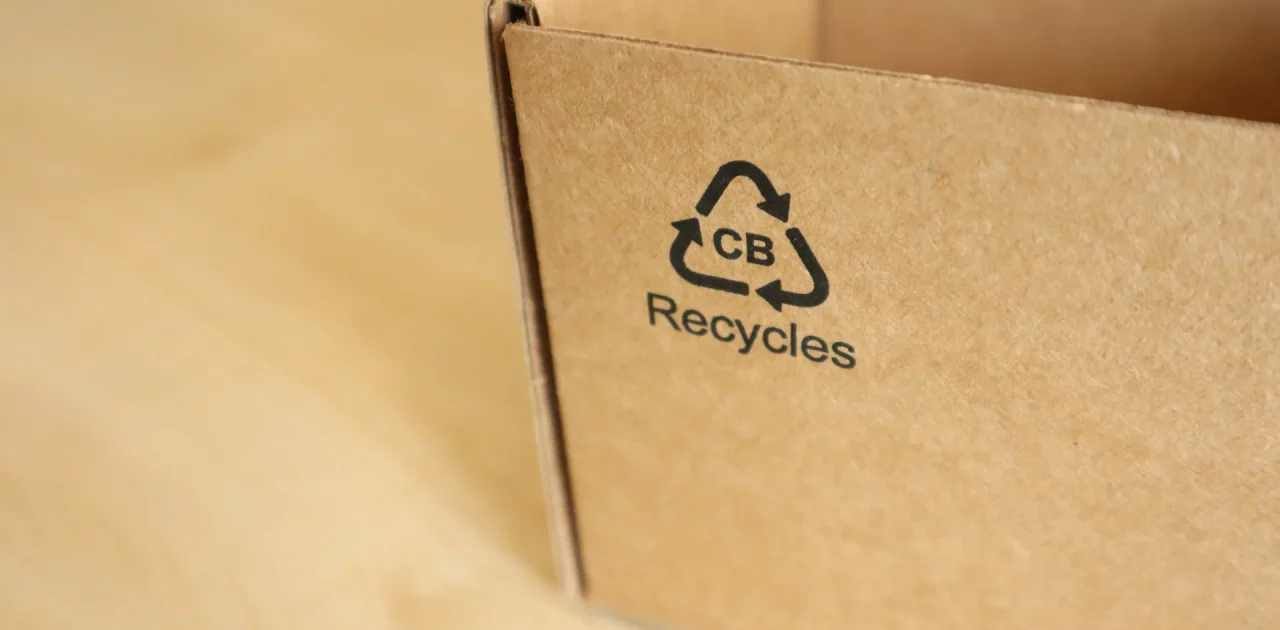
Cost efficiency and sustainability have become two key priorities in modern industrial operations. As a result, many companies are starting to consider reusable packaging as part of their supply chain strategy.
This type of packaging, which can be used repeatedly, is considered more cost-efficient in the long term and more environmentally friendly compared to single-use packaging.
However, not all companies are immediately convinced that this system is suitable for their operations. This is because each industry has different supply chain characteristics.
Industries That Benefit Most from Reusable Packaging
Reusable packaging delivers optimal benefits in industries with high shipping volumes and consistent distribution routes. The following sectors are among the most relevant:
1. Automotive Industry
The automotive industry is one of the largest users of reusable packaging globally. This is due to its highly standardized just-in-time (JIT) production system. Components such as spare parts, sensors, and vehicle batteries require consistent protection throughout the distribution process.
Industry data shows that the automotive sector accounts for approximately 20% of global reusable packaging usage, with around 1.3 billion units of parts packaging circulating to support vehicle production worldwide. In Europe, about 65% of vehicle manufacturers (OEMs) have adopted reusable packaging systems within their supply chains.
2. Electronics Industry
The electronics industry faces unique challenges in packaging. Electronic components are highly sensitive to moisture, impact, and contamination. Therefore, durable and reusable packaging is essential.
In addition, production volumes in the electronics industry tend to be high and consistent. This allows reusable packaging systems to reach their break-even point more quickly, making long-term cost efficiency easier to achieve.
3. Logistics and Warehousing Industry
Logistics companies and warehouse operators handle large volumes of goods repeatedly. Standardized packaging simplifies stacking, inventory tracking, and the use of equipment such as forklifts.
Moreover, consistent packaging dimensions and strength help maximize storage space utilization, significantly reducing warehouse operating costs per unit.
4. FMCG and Retail Distribution
The distribution of FMCG (fast-moving consumer goods) involves repeated shipments to multiple distribution points. With these characteristics, reusable packaging is highly relevant for both internal logistics and inter-warehouse distribution systems.
In addition to reducing packaging costs, this system also helps companies meet sustainability targets increasingly demanded by business partners and consumers.
When Is Reusable Packaging Less Suitable?
Despite its advantages, reusable packaging is not always the best option in every situation. There are certain conditions where it may be less optimal:
1. One-Way Shipping
If goods are delivered to the final destination without any plan to return the packaging, reusable packaging loses its main advantage. Its value lies in repeated use within a closed-loop system.
Therefore, one-way shipping is generally better suited for single-use packaging, which is lighter and more cost-effective.
2. Low Shipping Volume
Reusable packaging requires a higher initial investment. As a result, in low-volume shipping scenarios, reaching the break-even point takes longer, making the financial benefits less significant in the short term.
3. Unstable Supply Chain
Reusable packaging systems rely on consistent shipping and return cycles. If distribution routes frequently change or are unpredictable, packaging management becomes more complex, increasing the risk of loss or damage.
4. High Reverse Logistics Costs
Returning packaging from the destination to the origin requires additional transportation costs. If shipping distances are long or return infrastructure is not yet available, reverse logistics costs can reduce the financial benefits of reusable systems.
Common Materials Used in Reusable Packaging
Not all packaging materials are designed for repeated use. Only materials with high structural durability are suitable for reusable packaging.
Reusable Plastics such as PP Corrugated Sheet
Among the various plastics used in reusable packaging, corrugated polypropylene (PP) sheet is one of the most widely adopted in the industry.
This material combines lightweight properties with strong structural integrity. In addition, PP corrugated sheets are resistant to moisture, termites, light chemicals, and extreme temperatures.
According data from Future Market Insights, plastics dominate the reusable packaging segment, contributing approximately 43.8% of the total market by 2025. This is driven by their compatibility with warehouse automation systems and alignment with corporate ESG targets.
This indicates that reusable plastic materials including PP corrugated have become the preferred choice across industries globally.
Furthermore, as they are recyclable, PP corrugated sheets align well with circular economy principles.
Advantages of PP Corrugated Sheet for Industrial Use
PP corrugated sheets offer several advantages that make them ideal for reusable packaging in industrial applications:
- Lightweight material that does not significantly increase shipping loads
- Hollow structure that provides impact protection without compromising strength
- Non-absorbent surface that maintains performance even in humid environments
- Customizable in size, thickness, and configuration to meet specific industry needs
ALVAboard provides customized corrugated PP sheet solutions tailored to your company’s dimensions and technical specifications.
From various product options to applications such as layer pads or dividers in distribution systems, ALVAboard supports your operational efficiency.
Conclusion
Reusable packaging offers numerous benefits for industries, ranging from long-term cost savings to waste reduction and support for ESG targets. However, its implementation must be aligned with each company’s supply chain and operational conditions.
Industries with high shipping volumes, stable distribution routes, and consistent product protection requirements such as automotive, electronics, logistics, and FMCG are the strongest candidates for adopting this system.
On the other hand, companies with one-way shipping or low volumes should conduct a more in-depth analysis before making a decision.
If your business is well-suited for reusable packaging, the next step is to choose the right materials and partners who understand your operational needs.
As a premium PP corrugated sheet manufacturer in Indonesia, ALVAboard is ready to help your business transition to a more efficient and durable packaging system.
You can order storage boxes, distribution packaging, or WIP boxes tailored to your required dimensions and technical specifications.
Consult your packaging needs with the ALVAboard team and find the best solution for your distribution system.